
Since 1987
Sustainable Agriculture
Support for farmers facing falling productivity, pests and weak extension.
Overview
Since 1987, RASTA has focused on sustainable agriculture as one of its main areas of work. The livelihood of 95% of the inhabitants of the region comes from agriculture, and the farming sector has faced diminishing productivity, more pests and diseases, a lack of appropriate technologies at farmer level, and weak extension services. RASTA has undertaken awareness generation, research and extension, and infrastructure development to support farmers.
95% farm livelihoods
SRI rice method
6 watersheds
Objectives
- Help farmers raise productivity with methods they can use themselves.
- Supply healthier planting material and bio-control support.
- Restore soil on hill slopes through watershed work.
Key Activities
- Land-lease cultivation of rice, banana and vegetables by 50 women’s groups
- 20 decentralised nurseries for healthy planting material
- Support for 50 tribal farmers to extend scented rice cultivation to 150 acres in 2005
- System of Rice Intensification trials; within one year 100 farmers adopted SRI
- Milch cows for 715 families
- Bio-control for quick wilt of black pepper, taken up by 1,500 farmers
- Azolla cultivation shared with 10,000 farmers
- A pathogen detection and bio-control laboratory at RASTA, serving 5,000 farmers a year
- NADEP compost tanks at 2,100 farms between 1996 and 2005
- Watershed work in 6 watersheds in Wayanad since 1994, including bunds, trenches, rainwater tanks and planting material
Impact
SRI demonstrations were reported to increase rice productivity by 60 to 80%. The milch-cow support was described as providing a daily income of Rs. 60 to each household, besides about 7,50,000 kg of cow dung a year as farm input. Earthen bunds and trenches were taken up on 8,875 acres.
Stories
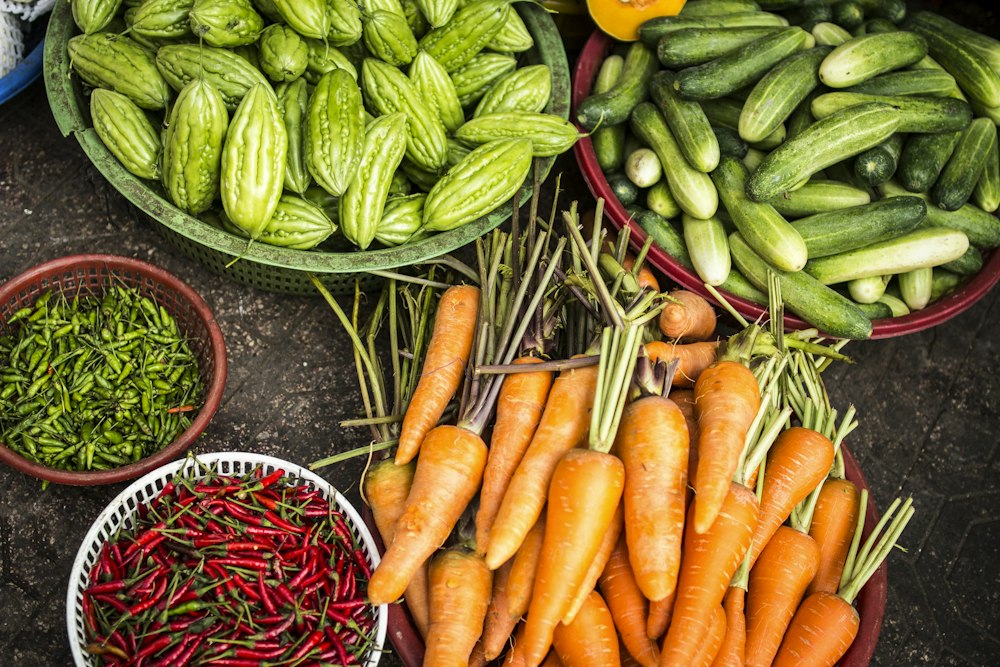
Local produce finds a fairer path to market
Producer groups are testing value addition and calmer routes to buyers.